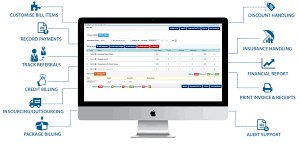
Introduction to Medical Billing Software
Medical billing software has become an essential component of modern healthcare operations. As healthcare systems grow increasingly complex, providers require robust, accurate, and scalable medical billing solutions to manage claims, payments, coding, and compliance efficiently. We recognize that streamlined billing workflows directly influence cash flow, patient satisfaction, and long-term financial stability. This comprehensive guide explores every critical aspect of medical billing software, offering in-depth insights to help healthcare organizations make informed decisions and achieve operational excellence.
What Medical Billing Software Does
Medical billing software automates and manages the entire revenue cycle management (RCM) process. From patient registration to final payment posting, the software ensures that claims are accurately coded, submitted on time, tracked efficiently, and reconciled correctly. By eliminating manual errors and delays, medical billing platforms significantly reduce claim denials and accelerate reimbursements.
Core functionalities typically include charge capture, claims management, payment posting, denial management, reporting, and compliance monitoring. Advanced platforms also integrate seamlessly with electronic health records (EHRs) and practice management systems, creating a unified healthcare ecosystem.
Key Features of High-Performance Medical Billing Software
Automated Claims Processing
Automation is the backbone of effective medical billing software. Automated claims scrubbing identifies coding errors, missing modifiers, and payer-specific issues before submission. This proactive approach improves first-pass acceptance rates and minimizes costly rework.
Accurate Medical Coding Support
Built-in ICD-10, CPT, and HCPCS coding tools ensure accuracy and compliance. Many solutions offer real-time coding validation, reducing the risk of audits and penalties while ensuring proper reimbursement.
Denial Management and Appeals
Sophisticated denial management tools analyze rejection patterns, categorize denial reasons, and guide corrective actions. Automated workflows enable faster resubmissions and appeals, protecting revenue and reducing administrative burden.
Payment Posting and Reconciliation
Medical billing software automates payment posting from electronic remittance advice (ERA) and explanation of benefits (EOB). Accurate reconciliation ensures that underpayments and discrepancies are quickly identified and resolved.
Comprehensive Reporting and Analytics
Advanced reporting dashboards provide real-time financial insights, including accounts receivable aging, collection rates, payer performance, and revenue trends. Data-driven decision-making empowers organizations to optimize billing strategies continuously.
Benefits of Using Medical Billing Software
Improved Cash Flow
By accelerating claims submission and reducing denials, medical billing software ensures consistent and predictable revenue streams. Faster reimbursements improve financial stability and support practice growth.
Reduced Administrative Costs
Automation significantly reduces manual labor, allowing billing staff to focus on exception handling and strategic tasks rather than repetitive data entry. This efficiency translates into lower operational costs.
Enhanced Compliance and Security
Leading platforms adhere to HIPAA regulations and industry security standards. Built-in compliance checks and audit trails protect sensitive patient data and reduce legal risks.
Scalability for Growing Practices
Medical billing software scales effortlessly with organizational growth. Whether managing a small clinic or a multi-location healthcare network, the software adapts to increasing claim volumes and evolving requirements.
Cloud-Based vs On-Premise Medical Billing Software
Cloud-Based Solutions
Cloud-based medical billing software offers remote access, automatic updates, lower upfront costs, and enhanced scalability. These solutions are ideal for practices seeking flexibility and minimal IT maintenance.
On-Premise Solutions
On-premise systems provide greater control over data storage and customization. While requiring higher initial investment and maintenance, they may suit organizations with specific security or infrastructure needs.
Integration with EHR and Practice Management Systems
Seamless integration is critical for maximizing efficiency. Integrated medical billing software eliminates duplicate data entry, reduces errors, and ensures consistency across clinical and financial records. Real-time data synchronization enhances workflow continuity and improves patient billing transparency.
Medical Billing Software for Different Healthcare Providers
Small Practices and Clinics
Small practices benefit from user-friendly interfaces, automation, and affordable pricing models. These solutions simplify billing without requiring extensive technical expertise.
Hospitals and Large Healthcare Systems
Enterprise-grade medical billing software supports high claim volumes, complex payer contracts, and advanced analytics. Customizable workflows and multi-department support are essential for large organizations.
Specialty Practices
Specialty-specific billing software addresses unique coding requirements and payer rules. Tailored solutions ensure accuracy and maximize reimbursements for specialized services.
How Medical Billing Software Enhances Patient Experience
Transparent and accurate billing improves patient trust. Features such as online payment portals, clear statements, and automated reminders reduce confusion and enhance satisfaction. Efficient billing processes also minimize billing-related inquiries and disputes.
Choosing the Right Medical Billing Software
Selecting the right solution requires careful evaluation of features, scalability, integration capabilities, compliance standards, and vendor support. We emphasize the importance of aligning software capabilities with organizational goals, payer mix, and growth plans.
Key evaluation criteria include:
- Ease of use and training requirements
- Customization and reporting flexibility
- Customer support and implementation assistance
- Cost structure and return on investment
Future Trends in Medical Billing Software
The future of medical billing software is driven by artificial intelligence, machine learning, and predictive analytics. These technologies enhance denial prevention, automate coding, and forecast revenue trends. Additionally, increased interoperability and patient-centric billing models will shape the next generation of billing platforms.
Conclusion
Medical billing software is no longer optional; it is a strategic necessity for healthcare organizations seeking efficiency, compliance, and financial resilience. By adopting a comprehensive, scalable, and intelligent billing solution, providers can optimize revenue cycles, reduce administrative burdens, and deliver superior patient experiences. Investing in the right medical billing software positions organizations for sustainable growth in an increasingly competitive healthcare landscape.